Evaluating Watercolor Summer Clipart for Creative Projects
In the realm of digital design, selecting the right visual assets is a critical step that influences the final aesthetic and marketability of a product. For designers, crafters, and small business owners, Watercolor Summer Clipart has emerged as a distinct category offering a soft, organic alternative to rigid vector graphics. Understanding the nuances of this style, its technical specifications, and how it compares to other digital art formats is essential for making an informed decision before integrating these assets into your workflow.
The Distinctive Nature of Watercolor Summer Imagery
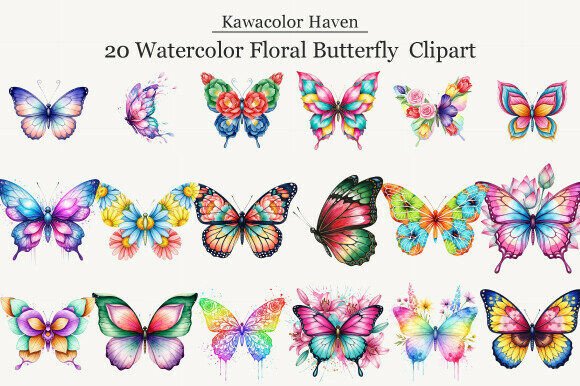
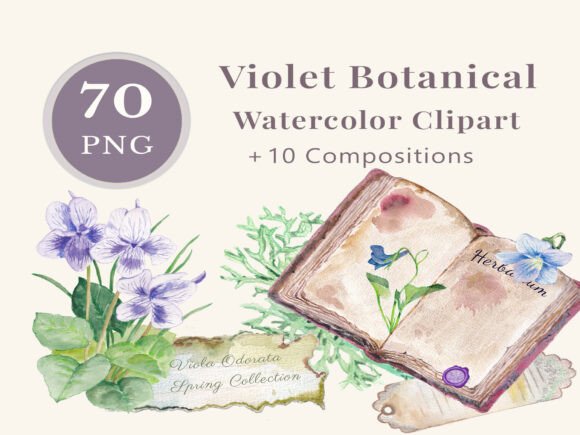
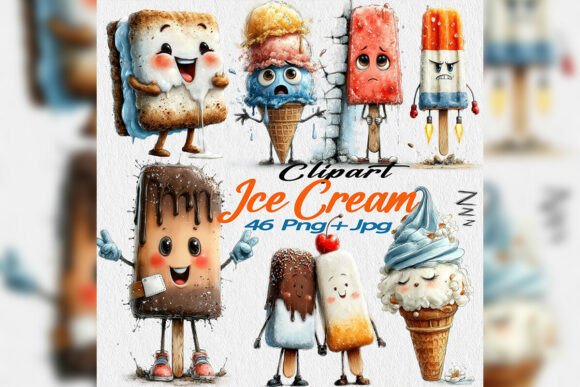
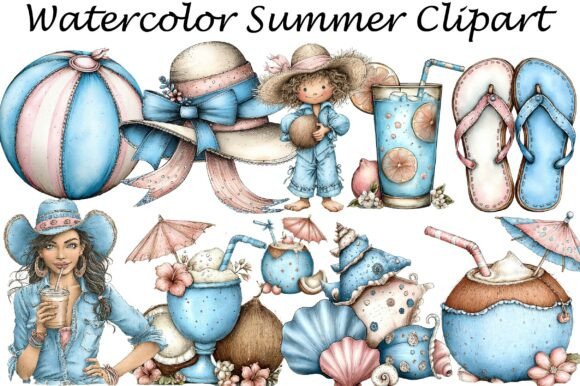
What sets Watercolor Summer Clipart apart from standard illustrations is its inherent texture and unpredictability. Unlike geometric shapes or flat-color vectors, watercolor designs mimic the fluidity of paint on paper. This style captures the essence of summer through soft gradients, bleeding edges, and subtle color variations that evoke feelings of warmth, relaxation, and nostalgia. The "summer" aspect typically incorporates motifs such as sunflowers, ice cream cones, beach umbrellas, citrus fruits, and seashells, rendered in a palette dominated by warm yellows, vibrant oranges, cool blues, and fresh greens.
The appeal lies in the perceived hand-crafted quality. In a digital landscape often saturated with perfect lines and uniform fills, the slight imperfections of a watercolor wash add a layer of authenticity and emotional resonance. This makes the style particularly effective for projects aiming to convey a sense of artisanal care or natural beauty. When evaluating resources, one must consider whether this specific aesthetic aligns with the brand identity or personal project goals. While highly versatile, the soft nature of watercolor may not suit every design context, particularly those requiring sharp, high-contrast legibility.
Technical Specifications and Quality Standards
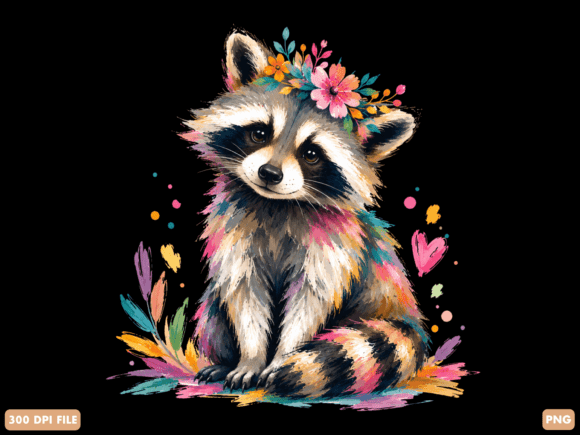
When researching digital assets, resolution and file format are non-negotiable factors. High-quality Watercolor Summer Clipart should be delivered in PNG format with a transparent background, allowing for seamless integration over various textures and colors without the need for complex masking. A resolution of 300 DPI (dots per inch) is the industry standard for print-ready materials. This specification ensures that when the image is scaled for physical products like t-shirts, mugs, or wall art, the details remain crisp and free from pixelation.
It is important to distinguish between web-optimized images (typically 72 DPI) and print-ready files. While a lower resolution might suffice for social media posts or website banners, attempting to print a low-resolution watercolor element onto a large canvas or a garment will result in a blurry, unprofessional appearance. Therefore, verifying that a collection includes 300 DPI files is a crucial step in the evaluation process. Additionally, the transparency of the background ensures that the delicate, feathered edges of the watercolor strokes do not get boxed in by a white square, preserving the artistic integrity of the design.
Comparing Watercolor Styles with Vector and Photorealistic Options
To determine if Watercolor Summer Clipart is the right choice, it is helpful to compare it against other prevalent digital art styles. Vector graphics, created using mathematical paths, offer infinite scalability and clean lines. They are ideal for logos, icons, and typography-heavy designs where precision is paramount. However, vectors can sometimes feel sterile or overly corporate. In contrast, watercolor clipart introduces an organic, human touch that vectors struggle to replicate authentically without significant manual effort.
On the other end of the spectrum lies photorealism. While photographs provide absolute realism, they can be heavy in file size and difficult to blend with other graphic elements without appearing disjointed. Watercolor clipart strikes a balance; it is stylized enough to harmonize with text and other graphics but realistic enough to convey texture and depth. For instance, a t-shirt design featuring a vector palm tree might look like a generic logo, whereas a watercolor palm tree suggests a vacation vibe or a beachside retreat. Similarly, while a photograph of a lemon might be too literal for a children's party invitation, a watercolor lemon adds a playful, whimsical charm.
Practical Applications and Use Cases
The versatility of high-resolution watercolor assets extends across a wide range of applications, making them a valuable addition to a creative toolkit. For those engaged in Print-on-Demand (POD) businesses, these clips are excellent for creating designs on apparel, specifically t-shirts, tote bags, and hoodies. The soft edges of the watercolor style tend to mask minor printing inconsistencies better than hard-edged vectors, resulting in a more forgiving and aesthetically pleasing final product.
Beyond apparel, Watercolor Summer Clipart is highly effective for home décor items such as canvas prints, pillows, and wall art. The artistic nature of the medium complements interior design trends that favor bohemian, coastal, or farmhouse aesthetics. In the realm of stationery and planning, these elements work beautifully for digital planners, printable calendars, and journal covers, adding a seasonal touch that motivates users during the warmer months.
Crafters utilizing sublimation or heat transfer methods also benefit from these assets. Items like tumblers, mugs, and vinyl stickers require clear, high-contrast imagery, which 300 DPI PNGs provide. Furthermore, for embroidery enthusiasts, watercolor designs can be digitized to create unique stitch patterns that retain the soft, blended look of the original artwork, though this requires specific conversion software. It is worth noting that while the potential uses are vast, the complexity of the watercolor texture may present challenges for certain cutting machines or very small-scale embroidery hoops, where fine details might be lost.
Decision Factors: When to Choose Watercolor Alternatives
Despite its many strengths, Watercolor Summer Clipart is not a universal solution. Designers should carefully evaluate their specific project requirements before committing to this style. If the primary goal is maximum legibility at very small sizes—such as on a favicon or a tiny icon—vector graphics are a superior choice due to their sharpness at any scale. Similarly, for projects requiring strict brand compliance with solid Pantone colors, the gradient and blending nature of watercolor may make color matching difficult.
Another consideration is the target audience. While the watercolor style appeals strongly to demographics interested in lifestyle, wellness, parenting, and artisanal goods, it may not resonate with audiences seeking a modern, tech-forward, or industrial aesthetic. In such cases, flat design or 3D renderings might be more appropriate. Additionally, if a project demands rapid iteration and extensive manipulation of individual elements, raster-based watercolor files (PNGs) offer less flexibility than editable vector layers (SVG/EPS), as resizing or recoloring parts of a watercolor image can degrade the quality.
Maximizing Value in Your Digital Asset Library
For professionals and hobbyists alike, building a curated library of high-quality assets is a strategic investment. A comprehensive set of Watercolor Summer Clipart, such as a collection containing 17 high-quality PNG files, offers a cohesive starting point for multiple projects. Having a unified style allows for consistent branding across different product lines, from party decorations to custom signage. The ability to mix and match elements within a single collection streamlines the design process, reducing the time spent searching for compatible graphics.
Supporting creators who specialize in these unique designs ensures access to fresh, innovative content that stands out in a crowded marketplace. Regular updates and new uploads keep design libraries current with seasonal trends, allowing creators to pivot quickly to capitalize on upcoming holidays or events. By prioritizing quality, resolution, and stylistic consistency, designers can ensure that their final products reflect professionalism and creativity, ultimately enhancing their reputation and customer satisfaction.
Ultimately, the decision to use Watercolor Summer Clipart depends on the desired emotional impact and technical constraints of the project. By weighing the organic charm of watercolor against the precision of vectors and the realism of photography, creators can select the tools that best serve their vision. Whether for a small business launch or a personal crafting endeavor, understanding these distinctions empowers you to make choices that elevate your work.